As we age, our eyes naturally become more susceptible to changes that can lead to eye conditions such as age-related macular degeneration (AMD). This common condition typically affects people in their 50s and beyond, impacting the central part of their vision and making everyday activities like reading or recognising faces increasingly difficult. Understanding AMD and taking proactive steps towards maintaining your eye health is essential for preserving your quality of life.
What Is Macular Degeneration?

Age-related macular degeneration is a condition affecting the macula, a small but crucial part of the retina responsible for sharp central vision. When the macula becomes damaged, it leads to blurred or distorted vision, making detailed tasks like reading, driving, or even watching television challenging. Whilst AMD does not cause complete blindness, it can significantly impact your independence and daily activities.
Understanding the Two Types of AMD

There are two main types of AMD: dry and wet. Dry AMD is the most common form and develops gradually over several years, causing a slow decline in central vision. Wet macular degeneration, whilst less common, is more severe and occurs when abnormal blood vessels grow beneath the retina, leading to rapid vision loss. Common symptoms include distorted or wavy lines, dark spots in your central vision, and difficulty adapting to low-light conditions.
What Are the Risk Factors for AMD?
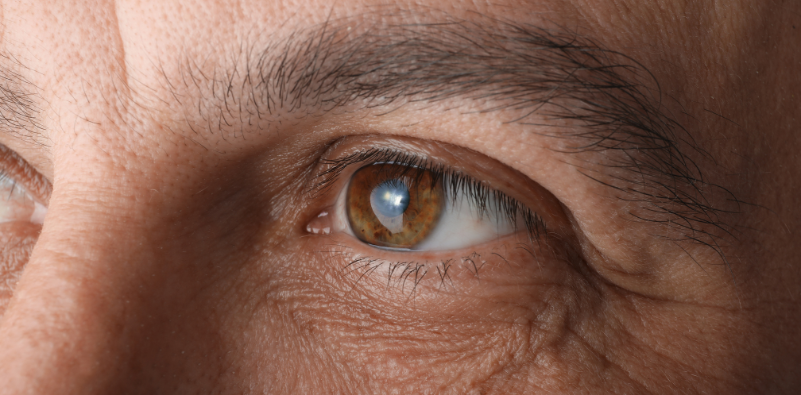
Age is the primary risk factor for developing macular degeneration, particularly for those over 50. However, other factors can increase your risk, including family history of the condition, smoking, high blood pressure, poor diet lacking essential nutrients, and prolonged UV exposure.
Understanding these risk factors empowers you to take preventive steps, such as maintaining a healthy lifestyle, protecting your eyes from UV rays, and attending regular eye examinations.
The Importance of Early Detection

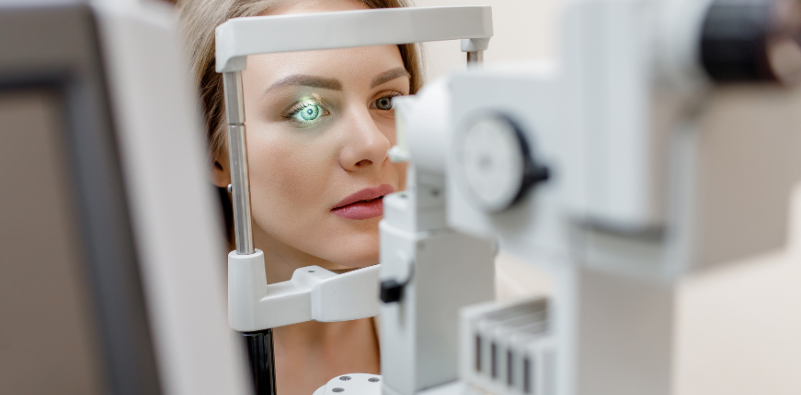
Regular eye tests at Mirage Opticians in Ealing are crucial for detecting AMD early, even before symptoms appear. Our comprehensive eye examinations utilise advanced technology, including optical coherence tomography (OCT) and Optomap ultra-wide digital retinal imaging, to identify the earliest signs of macular degeneration and other eye conditions . Early detection allows for timely macular degeneration treatment and management, helping to preserve your vision for longer.
Book an eye exam today at Mirage Opticians to ensure your vision stays clear for years to come.